Origins and History
Tucson blends centuries of Hispanic, Native American, and Anglo heritage into a vibrant and authentic cultural landscape that is steeped in cultural history.
With more than 4,500 years of inhabitation, Tucson’s ancestral inhabitants – the Tohono O’odham Nation and the Pasqua Yaqui Tribe –continue to have a presence and influence in Tucson.
Established as a military fort in 1775, Tucson was later incorporated as a city in 1877.
Food and Culture
Now as the 33rd largest city in the country, and the first U.S. city designated a UNESCO City of Gastronomy, Tucson offers exceptional culinary experiences alongside a rich mix of art, music, and outdoor recreation—from hiking and cycling to world-class stargazing.
With its population over 40% Latino, Tucson’s culture is enriched through vibrant traditions, culinary excellence, family-centered values, and a deep sense of community that shapes the city’s identity and spirit.
Remarkable Weather, Flora, and Night skies
With 330 days of sunshine annually and mountain ranges in every direction, Tucson is a year-round outdoor playground. The Loop, a 131-mile network of paved, shared-use paths, provides safe and scenic routes for walking, running, and biking across the city.
Visitors and residents alike enjoy natural treasures like the Tucson Botanical Gardens—named one of North America’s top gardens by the American Public Gardens Association—and the renowned Arizona-Sonora Desert Museum. With multiple observatories nearby, Southern Arizona is often called the astronomy capital of the world.
Tucson sits in a basin along basin and range topography. The year-round sunshine creates the perfect environment to enjoy the many parks surrounding and within Tucson.
Community Ethos
Tucson’s culture is deeply rooted in community. Residents support sustainability, water conservation and the Tucson Prosperity Initiative – an evidence-based effort to dismantle generational poverty across Pima County by focusing on long-term wealth-building and opportunity rather than only short-term aid, they also support local businesses, celebrate the arts, and take pride in helping one another.
This spirit of care is reflected in City initiatives that address complex challenges such as homelessness, public safety, and eco-nomic opportunity—often with innovation on par with larger metropolitan areas.
University Town
The city’s central core is home to a thriving downtown and the University of Arizona, a top-tier research institution.
The university anchors the community, contributing to a highly educated workforce, research-driven private sector growth, and robust arts and athletics programming.
Events and Activities
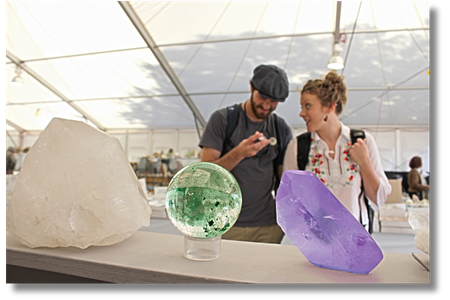
Tucson also draws national and international visitors, particularly during the winter months.
Signature events include:
Get more info about the great weather and opportunities to enjoy culture and community of Tucson at visittucson.org who also kindly has shared some images with us here.